

Introduction
How to Stop Towels from Shedding: 5 Simple Tips & Tricks
There is nothing more frustrating than stepping out of a shower and finding lint and fuzz all over the bathroom floor. Many people deal with this issue every day without knowing why it happens or how to fix it. This guide covers everything needed to stop towels from shedding, keep them fluffy and fresh, and extend their lifespan with better care habits.
How to Stop Towels from Shedding
The good news is that towel shedding is a very manageable problem. With the right washing and drying techniques, it is entirely possible to reduce shedding lint and enjoy lint-free bath towels for much longer. Whether someone is dealing with brand-new towels or older towels that have seen years of wear and tear, these tips and tricks will make a real difference.
Why Towels Shed
Why Do Towels Shed?
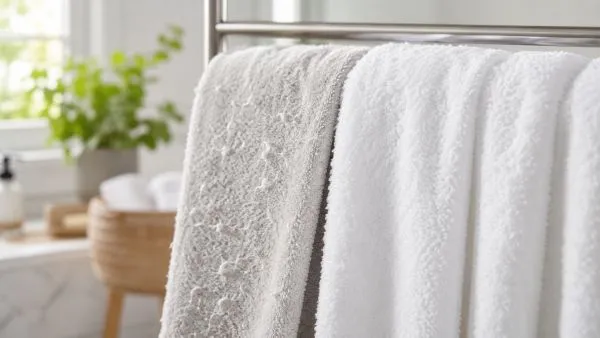
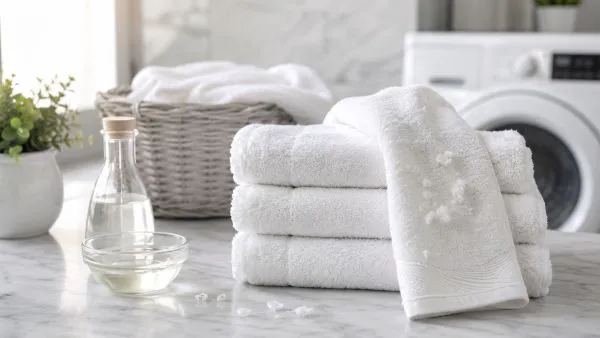
Towels shed because of loose fibers that were not fully secured during the manufacturing process. When a towel goes through its first few washes, those fibers gradually loosen and fall off. This is completely normal and tends to slow down after the first use and subsequent washes. However, improper washing and drying habits can make shedding much worse and cause even high-quality towels to shed excessively.
Another reason towels shed is pilling. Over time, repeated rubbing and washing cause small fiber balls to form on the towel’s surface, which eventually break off as fuzz or lint. Low-quality cotton towels and synthetic blends are especially prone to shedding because their fibers are shorter and weaker.
What Kind of Towels Shed the Most?
Not all towels shed equally. Cotton towels with lower thread counts tend to shed the most, while towels made from long-staple cotton like Egyptian or Pima cotton shed far less. Linen towels also shed very little but feel rougher to the touch. Microfiber towels can release extra lint in the early washes too. Generally speaking, the lower the quality, the more a towel sheds.
How to Stop New Towels from Shedding
Wash Before First Use
The very first step with brand-new towels is to wash them before use. Many people skip this, but washing removes the manufacturing residue, excess dye, and loose fibers sitting on the surface. Simply running new towels through a gentle wash cycle before the first use significantly cuts down on the amount of lint and fuzz they release later.
Freeze Your Towels or Soak Them in Cold Water
One popular cold treatment involves placing towels in the freezer for a few hours before washing them. Freezing helps set the fibers and makes loose ones easier to remove during the wash. Soak the towels in cold water as an alternative — this method is less effective than freezing but still helps loosen fibers and prepare the towel for its first proper wash. To soak the towels, simply submerge them in a basin of cold water for 30 to 60 minutes before washing.
Use Vinegar in the First Wash
Adding a cup of white vinegar to the first wash is one of the best ways to help reduce shedding in new towels. White vinegar acts as a natural softener while also helping to set the fibers. It helps remove residue left over from the manufacturing process without damaging the absorbency or structure of the towel. There is no need to use any detergent in this first rinse — just vinegar or baking soda alone works well.
Wash Towels Separately
Always wash new towels separately from other clothes. Washing them in a towel-only load prevents lint from transferring to other fabrics and allows the towels to tumble freely. It also means the wash cycle can be adjusted specifically for towels without worrying about damaging lighter garments.

Best Washing Tips to Reduce Towel Shedding
Don’t Use Too Much Detergent and Avoid Fabric Softener
Using too much detergent is a very common mistake. Excess detergent leaves a sticky residue on the fibers, which traps lint and makes shedding worse over time. Always use a small, measured amount and avoid adding extra for heavily used towels.
Fabric softener might seem helpful, but it is actually one of the biggest culprits behind increased shedding. Softener coats the fibers with a waxy layer that breaks them down faster, reduces absorbency, and causes more lint to shed with each wash. It is best to avoid adding it to towel loads entirely.
Wash Your Towels with White Vinegar
To keep shedding under control long-term, add half a cup of white vinegar to the washing machine every few washes instead of fabric softener. White vinegar softens the fibers naturally, helps remove built-up residue, and keeps bath towels fresh without weakening the fabric structure. Alternatively, a cup of baking soda in the wash cycle works similarly and helps deodorize the towels at the same time.
Use Soft Water to Wash Your Towels
Hard water contains high levels of minerals that build up in towel fibers over time, making them stiff and brittle. This brittleness leads to more fiber breakage and shedding lint during washing. Using soft water — or adding a water softener to the wash — can dramatically improve how long towels last and how much they shed. This tip often gets overlooked but has a real impact on washing towels properly.
Use Gentle Wash Cycles
A gentle or delicate wash cycle is always better for towels. Aggressive spin cycles and high temperatures can stress the fibers and cause unnecessary shedding. Washing towels in cold water or warm water on a gentle setting, rather than hot, helps preserve the fiber structure and reduce shedding over time.
How to Stop Old Towels from Shedding
Shake and Brush the Towels
For older towels that have started shedding heavily, try to shake the towels vigorously before and after washing. This loosens and removes much of the shed fiber before it goes into the machine and clogs up with other items. A lint roller can also help remove lint from the towel surface before washing, especially for older towels that have developed significant pilling.
Avoid Fabric Softeners and Dryer Sheets
Dryer sheets are just as harmful as liquid softener when it comes to towel shedding. They coat fibers with the same waxy residue that breaks them down faster. For older towels in particular, avoiding adding dryer sheets and fabric softeners will help them last longer and shed less. To still get a soft result, toss in a couple of wool dryer balls instead.
How to Handle Shedding If You Can’t Replace the Towels
Sometimes replacing old towels immediately is not an option. In that case, repeat this process of washing with white vinegar and baking soda regularly to help your towels stay as clean and fiber-stable as possible. Keep them washed separately, avoid heat-heavy drying, and remove lint with a brush or lint roller between uses. This will not make them never shed again, but it will reduce shedding noticeably.
How Drying Affects Towel Shedding
Choose Gentle Drying Methods
Drying plays a huge role in towel shedding. High heat weakens fibers quickly, causing them to break off during tumbling. Choosing a no-heat or low-heat setting when machine drying keeps fibers intact and extends the life of the towel significantly.
Air Dry When Possible
Line drying or drying your towels outside is the gentlest possible drying method. Fresh air and natural heat are far less aggressive on fibers than a tumble dryer. Hanging towels outside on a line or drying rack can dramatically help reduce shedding over time, especially for cotton towels. The only downside is that towels dried this way can sometimes feel stiffer — running them through a brief air fluff cycle in the dryer afterward solves this.
Don’t Overdry in the Machine
Overdrying is one of the leading causes of excessive towel shedding. When a towel stays in the dryer too long, the fibers become brittle, break apart, and generate much lint. Removing towels from the dryer while they are still slightly damp prevents this. It also keeps them soft and fluffy, maintaining their absorbency for longer.
Clean Your Lint Trap Often
A clogged lint trap not only creates a fire hazard but also reduces dryer efficiency and causes the machine to work harder — meaning towels take longer to dry and get exposed to more heat. Cleaning the lint trap after every load keeps the dryer running efficiently and helps remove lint from the drying environment so it does not end up back on the towels.
How to Choose Towels That Shed Less
How to Pick the Right Towels to Avoid Shedding
When shopping for new towels to stop the shedding problem at the source, look for towels made from long-staple cotton — Egyptian cotton, Pima cotton, or Turkish cotton are all excellent choices. These towels have longer, stronger fibers that are less prone to shedding. Avoid towels with very fluffy loops but low thread counts, as they often shed the most despite looking plush.
Say Goodbye to Shedding with Quality Towels from Christy
Christy is a well-known towel brand with a long history of producing high-quality, absorbent bath towels that are built to last. Their towels undergo rigorous quality testing and use cotton fibers that maintain their structure through many wash cycles. For anyone wanting to reduce shedding lint significantly from the start, investing in a brand like Christy is worth considering.
Take Better Care of Your Towels with LivingT
LivingT offers thoughtfully designed towel care products and accessories aimed at helping households keep their towels soft, lint-free, and long-lasting. From towel-safe detergents to drying accessories, using products designed specifically for washing and drying towels can make a noticeable difference in how long towels stay fresh and how much they shed.
Extra Towel Care Tips
Final Tips Most People Don’t Know
- Keep your towels soft and help your towels stay absorbent by avoiding over-washing. Washing towels every three to four uses is sufficient.
- Always check if towels are made from organic or combed cotton — these tend to have far less lint in early washes.
- Towels separately from other clothes is the rule, not the exception, especially during the first few washes.
- Skip the fabric softener for good and replace it with half a cup of baking soda or vinegar or baking soda alternated each month.
- Towels in the freezer trick works best for brand-new towels before their very first wash.
Conclusion
Summary of Towel Shedding Causes
Towel shedding is mostly caused by loose fibers from the manufacturing process, low-quality materials, and improper care habits. Cotton towels with short staple fibers, excessive fabric softener use, high-heat drying, and skipping the first wash are all major contributors to the problem.
Best Washing, Drying, and Towel-Care Habits
The best approach is to wash towels separately before first use, use white vinegar in the wash instead of softener, choose gentle wash cycles and cold water, air dry when possible, and avoid overdrying. Washing towels with a cup of white vinegar occasionally, keeping the lint trap clean, and shaking the towels before each wash go a long way in maintaining towel quality.
When to Replace Low-Quality or Old Towels
If a towel continues to shed heavily even after following all these tips, it is likely time to replace it. Fresh towels made from high-quality cotton will perform far better and require less maintenance. Investing in better towels once means fewer headaches, less lint around the bathroom, and towels that stay fluffy and absorbent for years to come.