
Introduction
Welcome to The Complete Guide to Sanitation Towels: Everything You Need to Know. This comprehensive guide covers sanitation towel types, materials, benefits, everyday uses, proper cleaning methods, and expert hygiene tips to help you make informed choices.
When it comes to keeping homes and surfaces spotlessly clean, the right tools make all the difference. Sanitation towels have quietly become one of the most versatile, dependable, and economical cleaning solutions available today. Whether someone is tackling kitchen counters, bathroom tiles, car interiors, or even caring for pets, a high-quality sanitation towel delivers results that most conventional cleaning cloths simply cannot match.
This guide walks through everything there is to know — from what sanitation towels are and how they compare to disposable alternatives, to tips on getting the best results and understanding some of the broader language around sanitary and absorbent hygiene products. By the end, readers will have a clear picture of why so many households are making the switch.
What Are Sanitation Towels?
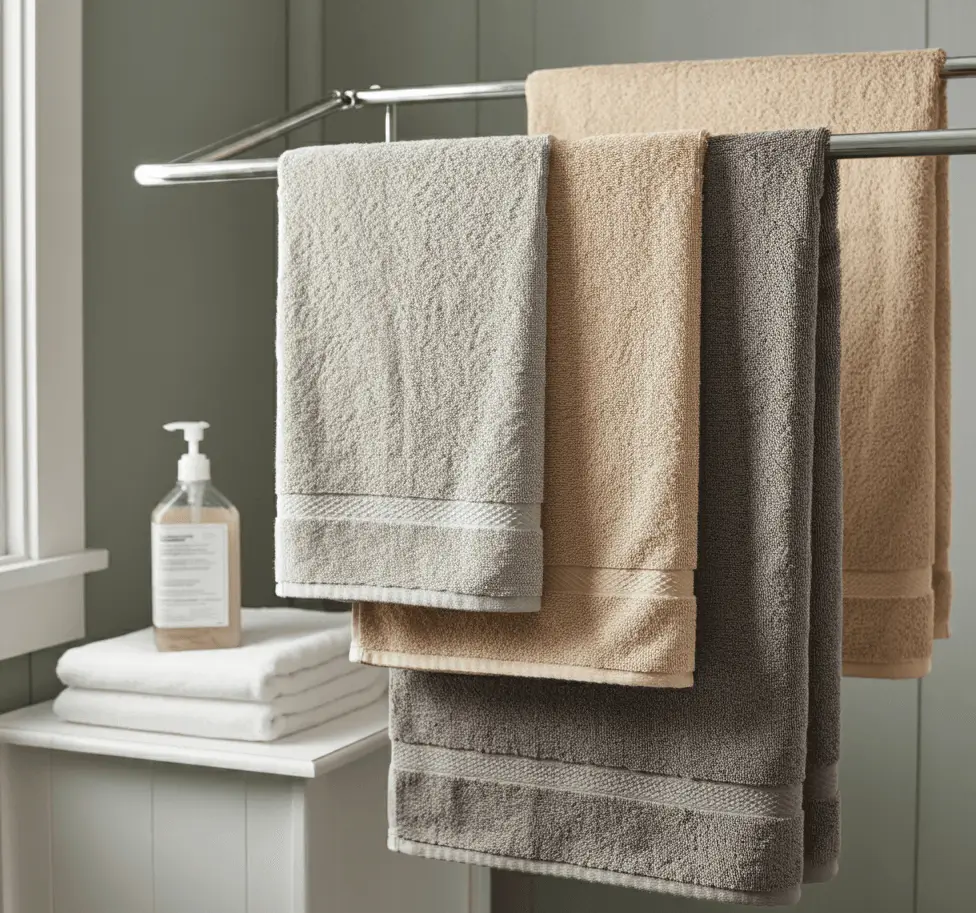
A sanitation towel is a specially engineered, reusable cleaning cloth designed to absorb liquids, trap dirt, and wipe away grime from a wide variety of surfaces. Unlike ordinary rags or paper-based products, sanitation towels are built using a carefully selected blend of materials often a breathable, soft-touch fabric that gives them exceptional durability and performance.
At their core, sanitation towels are designed to last through hundreds of wash cycles without losing their effectiveness. They come in a practical size that makes them easy to handle, fold neatly for storage, and carry wherever cleaning is needed. The layer construction of a quality sanitation towel is what sets it apart: each layer works together to trap moisture, lift debris, and leave surfaces streak-free.
For those who have only ever relied on paper-based or single-use options, switching to a reusable sanitation towel can feel like a revelation.
Why Use a Sanitation Towel?
There are many reasons people are choosing sanitation towels over traditional cleaning products. Below is a closer look at the key benefits.
Safe To Use On All Surfaces
One of the most appreciated qualities of a well-made sanitation towel is that it is gentle enough for sensitive surfaces. Whether someone is cleaning polished granite, delicate wood, glass, or stainless steel, a sanitation towel gets the job done without leaving scratches or streaks. Users should, however, always test an inconspicuous area first when cleaning an unfamiliar surface — just to be safe.
Importantly, sanitation towels do not require harsh chemicals to work effectively. A damp towel alone can cut through everyday mess, making the product safer for households with children, pets, and anyone with sensitive skin.
Reusable
Unlike disposable pads or single-use wipes, a sanitation towel is fully reusable. After each use, it can be rinsed, washed with mild soap, and returned to action. This reusable nature is one of the most compelling reasons to invest in one. Over time, the savings add up considerably — making this a genuinely economical choice for savvy households.
Most sanitation towels are designed to last through frequent wash cycles, retaining their shape, absorbency, and texture wash after wash. Users simply toss it in the laundry, let it dry, and it is ready to go again.
Long-lasting
A quality sanitation towel is designed to last far longer than any paper-based alternative. The raw materials used in manufacturing are selected specifically for their stability under repeated use and washing. This longevity makes the sanitation towel not just economical in the short term, but a genuinely smart long-term investment.
Manufacturers who prioritise quality use fabric constructions that resist fraying, shrinking, and breakdown — even after extended use.
Easy To Store
Thanks to its compact size, a sanitation towel is remarkably easy to store. It can be folded flat and tucked into a drawer, kept under the sink, or arranged neatly in a cleaning caddy. The packaging it comes in is often resealable or compact, making it easy to keep the product tidy when not in use. No bulky holders or special dispensers are required.
Eco-Friendly
In an era when environmental responsibility matters more than ever, sanitation towels offer a compelling, environmentally friendly alternative to disposable cleaning products. Because they are reusable, they dramatically reduce the volume of waste that ends up in landfill. Some premium options are even made from biodegradable or organic cotton materials, taking the eco-friendly commitment one step further.
By choosing a reusable sanitation towel over disposable options, users can meaningfully save on their environmental footprint — one cleaning session at a time.
Easily Portable
Whether heading to a holiday rental, camping trip, or simply moving from room to room, a sanitation towel is a discrete and lightweight companion. It folds down to almost nothing, slips easily into a bag, and is ready to perform whenever and wherever it is needed. Its portability makes it a practical addition to any travel kit.
Fast And Effective
The absorbent construction of a sanitation towel means it gets to work immediately on contact with a surface. A single pass is often all it takes to absorb spills, lift grime, and leave a surface visibly cleaner. The towel absorbs liquids quickly, preventing them from spreading or seeping into surfaces — a significant advantage over slower-acting paper towels.
Quick And Easy To Use
There is no learning curve with a sanitation towel. It is genuinely easy to use straight out of the packaging. Dampen it, wipe the surface, rinse, and repeat. The process is simple, efficient, and satisfying. No special technique is needed — just a good towel and a little elbow grease.
What Can You Clean With the Sanitation Towel?
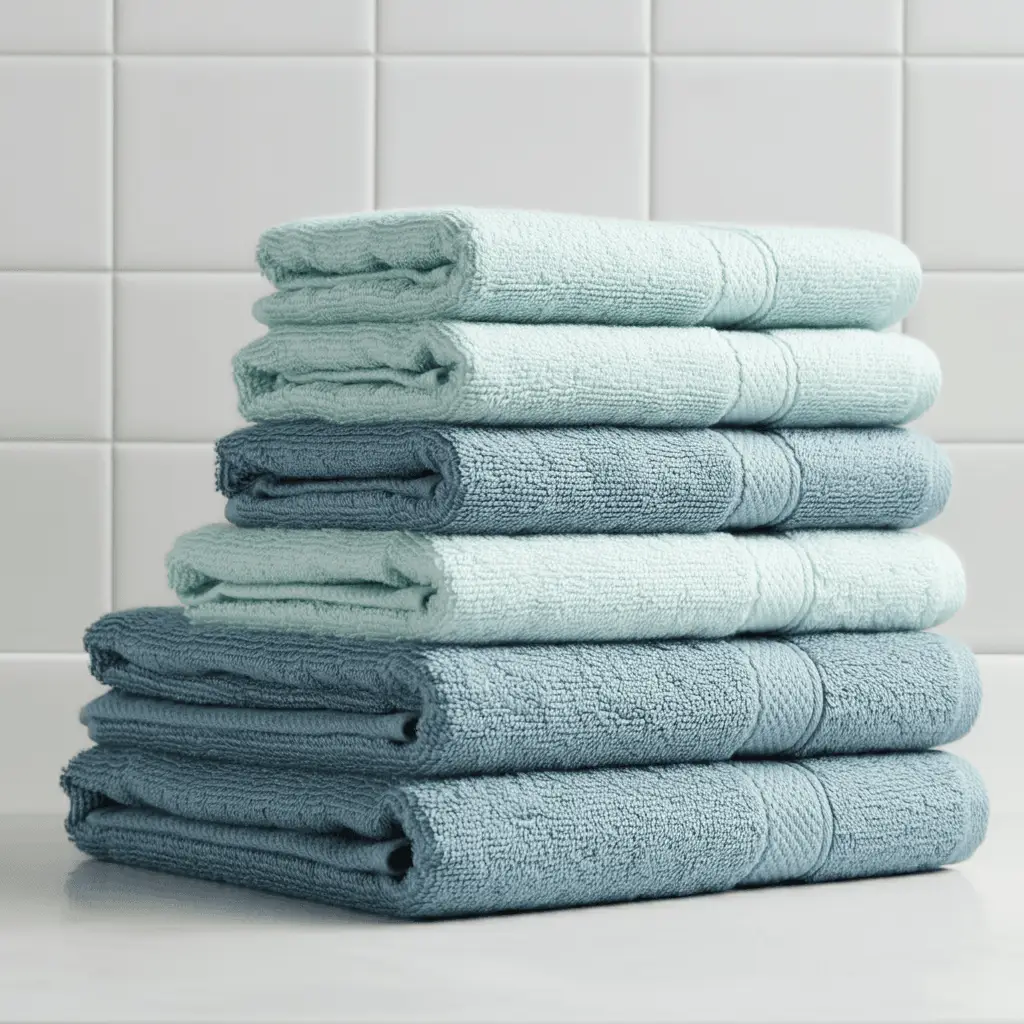
The versatility of a sanitation towel is one of its defining strengths. Here is a broad overview of where it excels:
- Kitchen surfaces: Countertops, stovetops, appliance exteriors, sinks
- Bathroom surfaces: Tiles, mirrors, taps, shower screens
- Living areas: Furniture, shelving, window frames
- Vehicles: Dashboard, seats, glass, door panels
- Outdoor furniture: Garden tables, chairs, barbecue exteriors
- Pets: Gentle enough to wipe down a pet’s paws or coat after outdoor adventures
The key principle is this: if a surface can be wiped down, a sanitation towel can handle it. Always do a spot-check on sensitive or unfamiliar materials first.
How to Use a Sanitation Towel?
Using a sanitation towel is as straightforward as it gets:
- Dampen the towel slightly with clean water for general cleaning, or use it dry for dusting.
- Wipe the surface using gentle, circular or straight strokes depending on the task.
- Rinse the towel under running water to remove dirt and debris mid-task.
- Repeat as needed until the surface is clean.
- Wash the towel after use with mild soap and warm water, or place it in the laundry.
- Allow to dry fully before storing to maintain freshness and prevent odour.
For tough messes or stubborn grime, soaking the towel briefly in warm soapy water before use can help loosen buildup. Avoid bleach or any harsh chemicals — they can degrade the fabric and reduce its effectiveness over time.
Other Uses of Sanitation Towels
Beyond standard surface cleaning, sanitation towels find a surprising range of uses around the household:
- Drying dishes and glassware without leaving lint behind
- Polishing mirrors and windows for a streak-free finish
- Applying cleaning solutions evenly to large surfaces
- Drying pets after baths or outdoor play
- General spill response — because the towel absorbs liquids so effectively, it is a go-to for quick clean-ups
- Incontinence care support — soft, absorbent, and gentle on sensitive skin, making it appropriate for use in personal care contexts
Tips for Cleaning with a Sanitation Towel
Getting the most from a sanitation towel is easy with a few practical habits:
- Use the right product for the right job. A sanitation towel excels on smooth surfaces. For particularly rough or abrasive textures, a scrubbing pad may be a better companion.
- Avoid bleach and chlorine-based cleaners. These can be harmful to the fabric and reduce the towel’s lifespan.
- Wash regularly. A frequent wash routine keeps the towel hygienic and performing at its best.
- Do not use fragrance-heavy detergents if the towel will be used around sensitive skin or near food preparation areas.
- Store in a dry, well-ventilated area to prevent moisture build-up between uses.

What’s Included in the Sanitation Towel Kit?
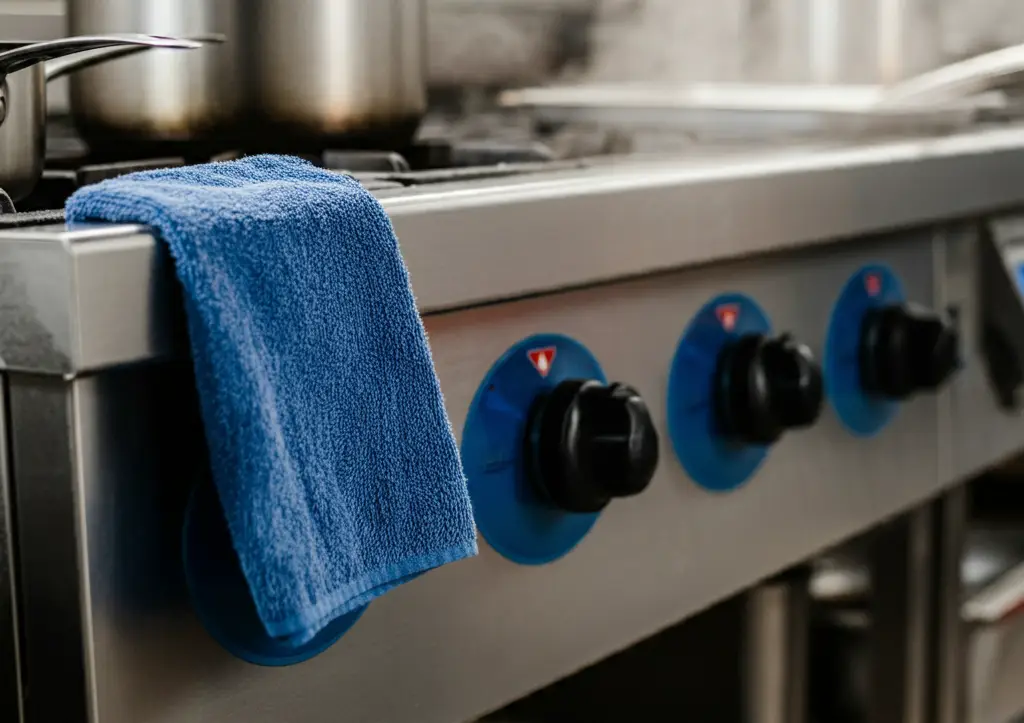
Most sanitation towel kits from a reputable manufacturer come with:
- One or more sanitation towels in a standard size
- A resealable or branded packaging solution for neat storage
- Care instructions for washing, drying, and maintenance
- Sometimes, a small carry pouch or storage bag for portability
The exact contents vary by brand, so it is always worth reviewing what each package includes before purchasing.
The Core of the Matter: Deconstructing “Sanitary Towel” versus “Pad”
For many readers, the terms “sanitary towel” and “pad” appear interchangeable — and in everyday conversation, they often are. However, there are subtle distinctions worth unpacking.
A sanitary towel, by its most common sanitary towel definition, refers to an absorbent product worn in the underwear to manage menstrual flow during menstruation. In British English — and particularly in contexts shaped by the English dictionary — the term “sanitary towel” is the standard phrasing. In American English, the same product is more commonly called a “sanitary pad” or simply a “pad.”
The meaning is functionally the same: a flat, absorbent item, typically made from cotton or a cotton blend, that is placed against the body to absorb menstrual discharge. Some sanitary pads include adhesive wings that fold beneath the underwear to hold the product securely in place, preventing movement and reducing the risk of a spill or leak.
So what is the real difference between a sanitary towel and a sanitary pad? Largely, it comes down to regional language. In American English, “pad” is the dominant term; in British English, “sanitary towel” or “sanitary napkin” tends to prevail. Both refer to the same category of feminine hygiene product.
Innovations Shaping Modern Disposable Sanitary Napkins
The modern sanitary napkin has come a long way from its earliest forms. Today’s disposable sanitary napkins are engineered with multiple layers of absorbent material, designed to draw menstrual fluid away from the body quickly and retain it securely throughout the day.
Key innovations include thinner profiles today’s pads can be remarkably slim without sacrificing absorbency along with improved absorbency ratings and breathable outer layers that make them more comfortable for extended wear. Many manufacturers now offer fragrance-free options for those with sensitive skin, recognising that added scents can sometimes cause irritation.
Wings have become a near-universal feature, helping to stabilise the pad within the underwear and reduce the risk of leaks at the edges. Absorbency levels are tiered to suit different stages of the menstrual cycle, from light spotting to heavier flow days.
When selecting a manufacturer of disposable sanitary napkins, it is worth looking for brands that are transparent about their materials specifically those that avoid chlorine bleaching and unnecessary chemical treatments in the production process. Some leading brands now offer products made with organic cotton and biodegradable components, making them a safer and more environmentally conscious choice.
How Do Sanitation Towels Compare With Disposable Paper Towels?
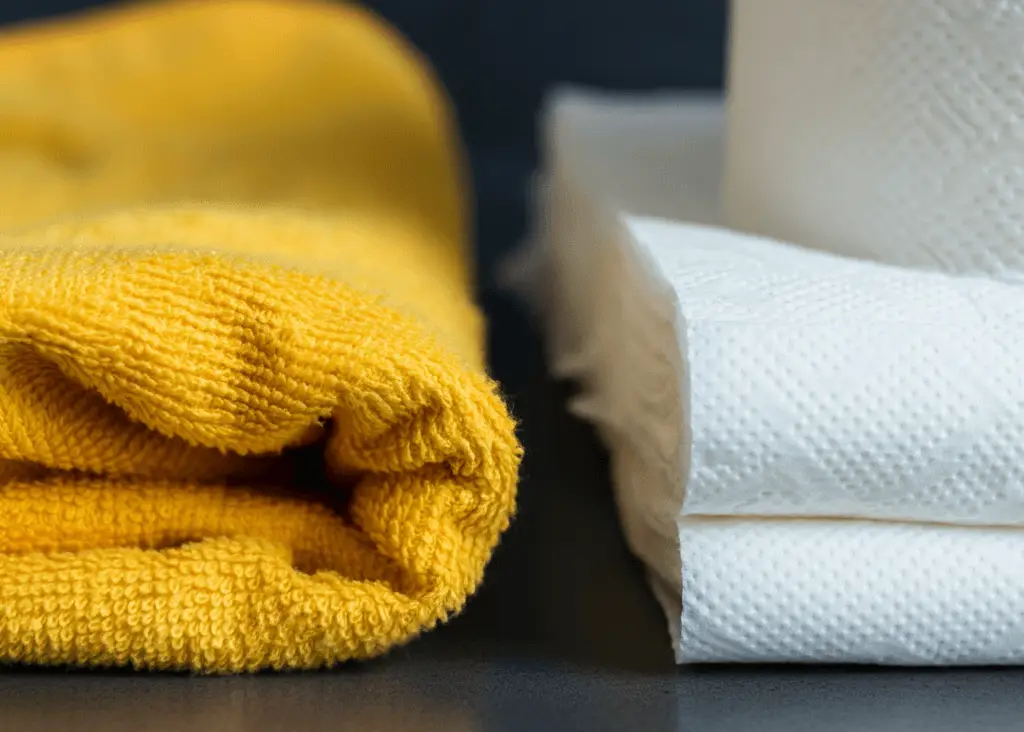
This is a question that comes up frequently among consumers weighing their options. Disposable paper towels are convenient but fundamentally limited: they are single-use, prone to tearing when wet, and contribute substantially to household waste.
A sanitation towel, by contrast, is built to be used again and again. It absorbs far more efficiently, handles larger spills without breaking apart, and does not leave paper fibres on surfaces. Over the course of a year, a household that switches from disposable paper towels to a reusable sanitation towel could significantly reduce both its waste output and its cleaning budget.
A Historical Perspective: The Evolution of Menstrual Product Language
The language around menstrual products has evolved considerably over the centuries. Early commercial products first appearing in the late 19th century — were often marketed under clinical or euphemistic terms, reflecting social attitudes of the time.
The term “sanitary napkin” gained traction in the early 20th century, particularly in North America. Over time, regional variations emerged: “sanitary towel” became the preferred phrasing in British English, while American English settled on “sanitary pad” or simply “pad.” Today, both terms are widely understood across English-speaking markets, though their predominance varies by geography.
The broader category of menstrual products has expanded considerably in recent decades. Beyond disposable pads, consumers can now choose from tampons, reusable cloth pads, menstrual cups, and period panties each offering a different combination of absorbency, comfort, and environmental impact.
The Wider World of Absorbent Hygiene Products
Absorbent hygiene products extend well beyond menstrual care. The same engineering principles layered construction, moisture-wicking materials, secure fit that define a quality sanitary pad are also applied in products designed for incontinence management, post-surgical care, and infant diaper design.
In fact, the diaper industry and the menstrual pad industry share a significant amount of manufacturing technology. Both rely on superabsorbent polymers, breathable outer layers, and ergonomic shaping to deliver reliable, comfortable performance.
For consumers navigating this landscape, understanding the differences between product categories helps in selecting the right product for their specific needs whether that is a lightweight daily liner, a high-absorbency overnight pad, or a reusable cloth alternative.
Frequently Asked Questions
Will it clean grease?
Yes. A damp sanitation towel is highly effective at cutting through grease on kitchen surfaces, stovetops, and appliance exteriors. For heavy grease build-up, a small amount of dish soap applied to the towel can boost performance without damaging the fabric.
Safe on granite?
Absolutely. Sanitation towels are gentle enough for polished granite and other stone surfaces. They do not scratch, and they absorb moisture efficiently to prevent streaking. Always test a small, inconspicuous area first if in doubt.
Can it be used on cars?
Yes — and it performs very well on vehicle interiors and exteriors. The soft, absorbent material will not scratch paintwork, glass, or interior trim. It is particularly useful for dashboard cleaning and removing smudges from windows.
Can it be used on pets?
Sanitation towels are gentle and safe for use on pets. They are ideal for wiping down a dog or cat after walks, drying paws, or giving a quick clean between bath times. The soft fabric is kind to animal fur and skin.
How should it be dried?
After washing, the towel can be air-dried by hanging it in a well-ventilated area. It can also be tumble-dried on a low heat setting. Avoid high heat, as this can affect the fabric’s texture over time.
How does it compare to paper towels?
Paper towels are single-use, wasteful, and often less absorbent than a quality sanitation towel. A sanitation towel is thinner, more flexible, and far more economical over time — and it does not fall apart when wet the way paper towels often do.
How does it compare to other cloths?
Standard household cloths often harbour bacteria, lose their shape quickly, and lack the targeted absorbency of a purpose-built sanitation towel. A quality sanitation towel is engineered for performance, hygiene, and longevity in ways that ordinary cloths simply are not.
Will it scratch countertops?
No. The material used in sanitation towels is specifically chosen to be non-abrasive. It will not scratch countertops, glass, or delicate surfaces under normal use. So, if it is being used to clean surfaces other than countertops, be sure to test an inconspicuous area first to make sure the surface does not get damaged.
What material is used?
Quality sanitation towels are typically made from a cotton or cotton-blend fabric that is soft, breathable, and highly absorbent. Some premium versions incorporate organic cotton for an even gentler, more environmentally conscious product.
What size is it?
Most sanitation towels come in a generously proportioned size that is large enough to handle broad surfaces quickly, yet compact enough to fold and store in any drawer or cabinet. Exact dimensions vary by brand, so checking the product packaging is recommended.
What comes in the package?
A standard sanitation towel package includes the towel itself, along with care instructions and, depending on the manufacturer, additional accessories such as a carry pouch or extra towels. The packaging is designed to be compact and easy to store.
Benefits of using it?
The benefits are numerous: it is reusable, economical, environmentally responsible, versatile across surfaces, gentle on sensitive materials, effective without harsh chemicals, and easy to use. It is, quite simply, a smarter, safer, and more sustainable way to clean.
What is a sanitation towel?
A sanitation towel is a reusable, highly absorbent cleaning cloth designed for use on a wide range of household and outdoor surfaces. It is distinct from sanitary pads or sanitary napkins, which are personal hygiene products used during menstruation.
What is the best way to sanitize towels?
To keep reusable towels hygienic, wash them regularly in warm water with a mild detergent. For a deeper clean, a hot wash cycle is effective. Avoid bleach where possible, as it can break down fabric fibres over time. Soak particularly soiled towels in warm soapy water before laundering for best results.
Are these benefits enough to convince someone who struggles with household chores that they need one of our towels in their life?
For anyone who finds household cleaning tedious or ineffective with conventional products, a sanitation towel can genuinely transform the experience. Its combination of absorbency, versatility, ease of use, and long-term value makes it one of the most practical investments a home can make.
What does “reusable” mean in this context?
When a product is described as reusable, it means it can be washed and used again multiple times rather than being discarded after a single use. Reusable sanitation towels and reusable cloth menstrual pads both fall into this category, offering a more economical and environmentally responsible alternative to their disposable counterparts.
What are sanitary pads/towels?
Sanitary pads and sanitary towels are absorbent personal hygiene products worn in the underwear to manage menstrual discharge. They are among the most widely used menstrual products globally, available from countless brands in a wide range of absorbency levels and sizes.
What are “sanitary napkins”?
A sanitary napkin is simply another name for a sanitary pad or sanitary towel particularly in American English usage. The term “sanitary napkin” is commonly used by manufacturers in North America and in global retail contexts, though “sanitary towel” remains the preferred term in British English-speaking markets.
What is the real difference between a sanitary towel and a sanitary pad?
The real difference is primarily linguistic rather than functional. Both refer to an absorbent product worn externally in the underwear to manage menstrual flow. “Sanitary towel” is the term more commonly used in British English; “sanitary pad” or “pad” is more prevalent in American English. The products themselves are essentially the same.
What is a sanitary towel used for?
In personal hygiene contexts, a sanitary towel is used to absorb menstrual flow during a woman’s period. It is worn in the underwear and changed regularly typically every four to six hours depending on flow level to maintain hygiene and comfort.
How often do you change your sanitary towel?
During menstruation, a sanitary towel should generally be changed every four to six hours, or more frequently on heavier flow days. Regular changes maintain hygiene and reduce the risk of odour or skin irritation.
Are menstrual pants a type of sanitary pad?
Not exactly. Period panties are a distinct category of menstrual products. They function similarly to a pad in that they absorb menstrual flow, but they are built into the underwear itself rather than attached to it. They are fully reusable and washable, making them an increasingly popular eco-friendly alternative to disposable pads.
How do they relate to pads and towels?
The word “towel” in “sanitation towel” refers to a cleaning cloth, while the same word in “sanitary towel” refers to a menstrual pad. The two products share a name structure but serve entirely different purposes. Understanding this distinction helps avoid confusion when shopping for either type of product.
Should she use tampons or sanitary towels?
This is a personal decision that depends on individual comfort, lifestyle, and flow levels. Tampons are inserted internally and are popular among active women or those who prefer a less visible product. Sanitary towels are worn externally and are often recommended for overnight use or for those who prefer not to use internal products. Both are effective menstrual products; the right choice is the one that best suits the individual.
What should I look for in a manufacturer of disposable sanitary napkins?
When evaluating a manufacturer of disposable sanitary napkins, several factors are worth considering. Look for brands that disclose their raw materials clearly, avoid unnecessary chemical additives, and offer fragrance-free options for those with sensitive skin. A trustworthy manufacturer will also offer products that are free from chlorine processing, use breathable top layers, and provide clear absorbency guidance on their packaging. Where possible, opting for biodegradable or organic cotton options is a worthwhile step toward a gentler, more responsible product.
Conclusion
Sanitation towels represent a meaningful upgrade over conventional cleaning products. They combine genuine performance with environmental responsibility, delivering real value to anyone who takes household cleanliness seriously. Whether the goal is to cut down on waste, save money over time, or simply clean more effectively — a quality sanitation towel delivers on all fronts. With so many brands and options available in the market today, taking the time to choose the right product from a trusted manufacturer makes all the difference in the long run.
This article is intended for informational purposes only. Always follow product-specific care and usage instructions provided by the manufacturer.
1 thought on “Sanitation Towels Guide: Uses, Types & Benefits”
Comments are closed.