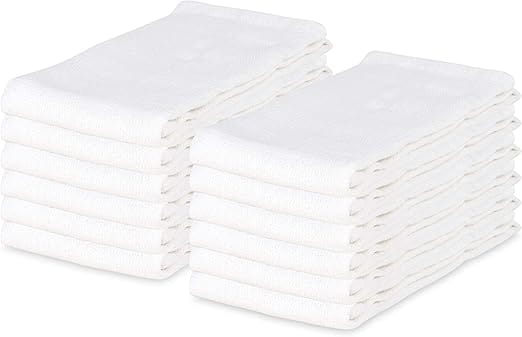
Understanding Surgical Towels
A surgical towel may appear simple at first glance, but it plays an important role in maintaining cleanliness, moisture control, and contamination prevention in controlled environments. These medical towels are specially designed for professional use where hygiene, durability, and absorbency matter far more than appearance.
Unlike household cloths, surgical towels are engineered to meet stricter standards. They are commonly used in hospitals, veterinary clinics, laboratories, cleanrooms, and food processing facilities because they support better clinical hygiene and safer handling conditions.
These high-performance towels are built with carefully selected materials such as medical-grade cotton, microfiber, and other absorbent fabrics that provide excellent fluid absorption while remaining lint-free or low-lint.
What Is a Surgical Towel?
When people ask, “What is a surgical towel?” the simplest explanation is this: it is a specially manufactured cloth designed for clean and controlled environments.
A standard towel used at home sheds fibers, traps moisture, and loses performance after repeated washing. A professional lint-free towel, on the other hand, is made for heavy-duty use, repeated washing cycles, and strict sterilization procedures.
The primary purpose of these towels is to support:
- Surface cleaning
- Surface wiping
- Moisture absorption
- Contamination control
- Sterile handling
Because of these functions, surgical towel absorbency becomes one of the most important features.

Surgical Towel vs Regular Towel
One of the most searched questions online is “surgical towel vs regular towel.”
Although both products may look similar, their construction and performance are completely different.
Main Differences
| Feature | Surgical Towel | Regular Towel |
|---|---|---|
| Material | Medical-grade materials | Standard cotton blends |
| Fiber Shedding | Lint-free or low-lint | High fiber shedding |
| Durability | Built for heavy washing | Household-level durability |
| Sterility | Supports sterilization | Not designed for sterile environments |
| Use Case | Professional cleaning | Personal use |
| Moisture Control | High absorbency | Standard absorbency |
A regular towel may feel soft, but it cannot handle repeated washing temperatures, aggressive detergents, or continuous sterilization.
What Are Surgical Towels Made Of?
Many readers also search for “what are surgical towels made of.”
The answer depends on the intended application. Most products fall into two major categories:
- Cotton huck towels
- Microfiber surgical towels
Cotton Huck Towels and Huckaback Weave
The most traditional option is the cotton huck towel, also known as a huck towel or huckaback towel.
These towels use a unique huck weave or huckaback weave structure. The weave creates tiny fabric loops across the textile surface, allowing the towel to absorb liquids quickly.
Huck Towel Benefits
The popularity of huckaback weave towels comes from several practical advantages:
- Excellent absorbency
- Strong textile durability
- Reliable surface sanitation
- Reduced lint production
- Better performance during heavy washing
Because of their long history in healthcare textiles, many professionals still trust cotton huck towels more than synthetic alternatives.
Another benefit is breathability. Natural cotton fibers create a breathable fabric that helps reduce moisture buildup after use.

Microfiber Surgical Towels
Modern microfiber surgical towels use advanced synthetic fibers made from polyester and polyamide.
The fibers are much finer than standard cotton threads, allowing these towels to trap fine particles more effectively.
Advantages of Microfiber
- Faster fast drying
- Improved particle trapping
- Lightweight handling
- Strong surface cleaning performance
- Better resistance to moisture retention
These microfiber cleaning towels are increasingly common in clean manufacturing, industrial environments, and precision cleaning applications.
Some manufacturers also add an antibacterial coating using silver-based compounds or quaternary ammonium compounds to improve bacterial resistance.
Cotton vs Microfiber Surgical Towels
The debate around “cotton vs microfiber surgical towels” continues because both materials offer different strengths.
Cotton Is Better For:
- Heavy fluid absorption
- Traditional medical environments
- Long-term durability
- Softer wiping surfaces
Microfiber Is Better For:
- Trapping microscopic debris
- Faster drying
- Lightweight performance
- Advanced professional cleaning
For most facilities, the choice depends on the required balance between moisture control, cost, and cleaning precision.
Why Surgical Towels Are Lint-Free
Another common question is “why surgical towels are lint-free.”
Lint may seem harmless at home, but in sterile environments, loose fibers can create serious surface contamination risks.
Professional lint-free cloths are woven tightly to prevent fiber shedding. This is especially important in:
- Clinical settings
- Laboratories
- Medical environments
- Industrial cleaning cloths
- Food processing
By reducing airborne particles, these towels help maintain better cleanliness and support effective contamination control.
Reusable vs Disposable Surgical Towels
The discussion around “reusable vs disposable surgical towels” usually focuses on cost, sustainability, and convenience.
Reusable Surgical Towels
A reusable surgical towel is designed for repeated use through multiple washing cycles.
Benefits include:
- Lower long-term cost
- Better environmental responsibility
- Reduced landfill waste
- Stronger absorbent fabric
However, reusable products require:
- Proper textile maintenance
- Controlled washing methods
- Correct storage systems
Disposable Surgical Towels
A disposable surgical towel is intended for one-time use.
Most are made from non-woven materials or synthetic disposables.
Advantages include:
- Immediate sterility
- Lower cross-use risk
- No washing requirements
The downside is increased environmental impact and larger waste management concerns.
Disposable Towel Waste and Sustainability
Growing awareness of sustainability has increased concern about disposable towel waste.
Single-use products create pressure on:
- Landfills
- Waste disposal systems
- Environmental resources
Because of this, manufacturers are now developing products using biodegradable materials and eco-friendly textile technologies.
These newer products attempt to combine convenience with improved environmental performance.
Surgical Towel Cleaning Process
The surgical towel cleaning process is extremely important for reusable products.
Improper care can reduce absorbency, weaken fibers, and compromise hygiene standards.
Proper Maintenance Steps
1. Inspection
Check towels for thinning areas, damage, or stains.
2. Washing
Use an appropriate detergent while avoiding excessive fabric softener, since softeners reduce absorbency.
3. Temperature Control
Follow recommended temperature guidelines and proper washing temperatures.
4. Drying Process
A complete drying process prevents bacterial growth and excess moisture.
5. Storage
Store towels in a sealed container with proper clean storage practices.
Correct surgical towel maintenance extends the usable life of the towel significantly.
Surgical Towel Lifespan
The average surgical towel lifespan depends on:
- Fabric quality
- Washing methods
- Storage conditions
- Frequency of use
Well-maintained reusable cleaning towels can survive dozens or even hundreds of cleaning cycles before losing performance.
Eventually, repeated exposure to moisture, detergents, and high heat weakens the material structure.
Antibacterial Surgical Towels
Modern antibacterial surgical towels include chemical treatments designed to slow bacterial growth.
These treatments are commonly called antibacterial treatment or antibacterial agents.
The goal is not to sterilize the towel instantly, but to:
- Reduce odor
- Improve hygiene
- Limit bacterial buildup
- Support safer handling
Over time, repeated washing gradually reduces the effectiveness of these coatings.
Sterile Towel Storage and Packaging
Even perfectly cleaned towels can become contaminated if stored incorrectly.
This is why sterile towel storage is essential.
Professional facilities usually rely on:
- Sealed packaging
- Controlled storage conditions
- Protective containers
- Dry environments
Any packaging damage may compromise sterility and require re-cleaning before use.
Why Surgical Towels Matter
The phrase “why surgical towels matter” becomes easier to understand when considering their role in:
- Professional hygiene
- Surface sanitation
- Sterility maintenance
- Industrial wiping
- Medical cleaning products
A poorly designed towel can spread contamination, leave particles behind, or fail during use.
A properly engineered professional lint-free towel, however, supports safer and cleaner operations in demanding environments.
Best Surgical Towels for Professional Use
When buyers search for the best surgical towels, they usually focus on:
- High absorbency
- Durability
- Lint-free performance
- Reliable fabric construction
Popular choices often include:
- Cotton huck towels
- Microfiber cleaning towels
- Professional cleaning towels
- Medical-grade towels
The final decision depends on intended use, budget, and required performance standards.
Final Thoughts
Although they seem simple, surgical towels are highly specialized tools created through careful textile engineering and advanced fabric construction techniques.
Whether made from cotton, microfiber, or other medical-grade materials, these towels are designed to provide:
- Superior absorption
- Reduced contamination
- Long-term durability
- Reliable hygiene support
From hospitals to clean manufacturing facilities, the importance of medical cleaning towels continues to grow as industries demand safer and cleaner environments.